Your AC Is About to Work Harder Than It Has All Year
By David Long Coastal Air Plus Serving Myrtle Beach and Charleston, SC Since 1947
June is here. The mild spring stretches when you barely heard the AC kick on are over. From now through August, your system is about to put in the hardest 12 weeks it will work all year, and most folks do not think about that until something starts going wrong on a 98-degree afternoon.
Here is the truth nobody tells you. Your AC running constantly on a 100-degree day is not a sign of failure. It is a sign that the system is doing exactly what it was built to do. But the difference between a system that handles peak heat well and one that breaks down in July often comes down to a few small things you can address right now, in the first week of June, before the real heat lands.
We have been serving Myrtle Beach and Charleston since 1947, and the pattern repeats every summer: the homeowners who do a little prep in early June rarely call us during a heat wave. The ones who skip it almost always do.
Let's walk through what to expect, what to check, what is normal, and what is not.
What 'Normal' Looks Like in a South Carolina Summer
Before we get into warning signs, you need a clear picture of what a healthy system actually does when the heat ramps up. Otherwise, you will worry about things that are fine and miss things that are not.
On a typical 95-degree day with high humidity, here is what is normal:
- Your system runs longer cycles, sometimes 30 to 45 minutes at a stretch, instead of the short bursts you see in spring.
- Your house may sit 2 to 3 degrees above your thermostat setting during the hottest part of the afternoon. A standard residential AC is designed to cool your house roughly 20 degrees below the outdoor temperature, no more.
- Your outdoor unit gets hot to the touch. The condenser is rejecting heat from inside your home. Hot is expected.
- You hear the system kick on more often. On a 100-degree day, expect it to run nearly continuously through the afternoon hours.
- Your electric bill goes up. There is no way around that one. Cooling a home in coastal SC humidity costs more than cooling one in a dry climate, full stop.
If your system is doing all of the above and your home is comfortable, you are in good shape. Long run times are not a problem. They are the design.
Five Warning Signs That Mean Something Is Actually Wrong
Now here is what is NOT normal. If you notice any of these, do not wait it out and hope it gets better. Heat-stressed systems get worse fast, and a small problem in June becomes a full breakdown in July.
- Inadequate cooling on a normal day. If it is 88 degrees outside, the humidity is reasonable, and your house cannot get below 78 no matter how long the system runs, something is off. Could be low refrigerant, a dirty coil, or a failing compressor. None of those fix themselves.
- Ice on the indoor unit or refrigerant lines. This is one of the most misunderstood symptoms in home cooling. Ice means your system is too cold for the airflow it is getting. Causes include a dirty filter, a blocked return vent, low refrigerant, or a failing blower motor. Ice does not mean your AC is working extra hard. It means it is about to fail. Shut the system off, let it thaw fully, and call us.
- New or unusual noises. A healthy system has a steady hum. Grinding, screeching, banging, or repeated clicking are all signals. Grinding often means motor bearings. Screeching can be a belt issue or a failing blower. Banging is usually a loose part inside the cabinet. Clicking that does not stop is an electrical problem. Trust your ears here. You know what your system normally sounds like.
- Short cycling. This is when the system kicks on, runs for two or three minutes, shuts off, then starts again within five or ten minutes. It is the opposite of the long run times that are normal in summer, and it is a real problem. Short cycling burns out compressors fast. It is usually caused by a thermostat issue, an oversized system, low refrigerant, or a frozen coil.
- Water where water should not be. A puddle around your indoor unit, water dripping from a ceiling register, or visible moisture on refrigerant lines all point to drainage problems. The condensate drain line clogs up easily in coastal humidity, and a blocked drain can flood an attic in an afternoon. This one is urgent because of the secondary damage it causes.
Call Right Now vs. Schedule for This Week
We get asked this all the time, so let's make it simple.
Call us immediately if:
- The system is blowing warm air with the thermostat set to cool
- You see ice anywhere on the system
- Water is actively leaking inside your home
- You smell something burning or hot electrical
- A breaker keeps tripping when the AC kicks on
- The outdoor unit is silent when the indoor unit is running
Schedule for this week if:
- The system is cooling but seems to be working harder than usual
- You hear a new noise that is not getting worse
- Your electric bill jumped noticeably without a heat wave to explain it
- You have not had a tune-up in over 12 months
- One room is consistently warmer than the rest of the house
The first list means damage is happening or about to happen. The second list means you have a few days, but do not let it slide into July. Once peak heat hits, every HVAC company in Horry and Charleston counties gets slammed and response times stretch.
Four Things You Can Do This Weekend
None of these are technical. None require tools beyond what you already have in your garage. All of them measurably reduce stress on your system and lower your power bill.
- Clear the outdoor unit. Walk around your condenser and remove anything within two feet of it. Pine straw, leaves, grass clippings from the mower, kids' toys, garden hoses, even tall grass. The unit needs to pull air through every side. When airflow is blocked, the compressor works harder, the system gets louder, and your efficiency tanks. Take 10 minutes. Do this today.
- Change your furnace filter, and keep changing it. During peak cooling season, that filter is moving air constantly, and it loads up fast. Check it monthly from June through September. If light does not pass through when you hold it up, replace it. A clogged filter is the single most common cause of summer AC problems we see, and it costs you maybe 15 dollars to fix yourself. Cleaner filters also help with indoor air quality, which matters more in summer when allergens and humidity climb together.
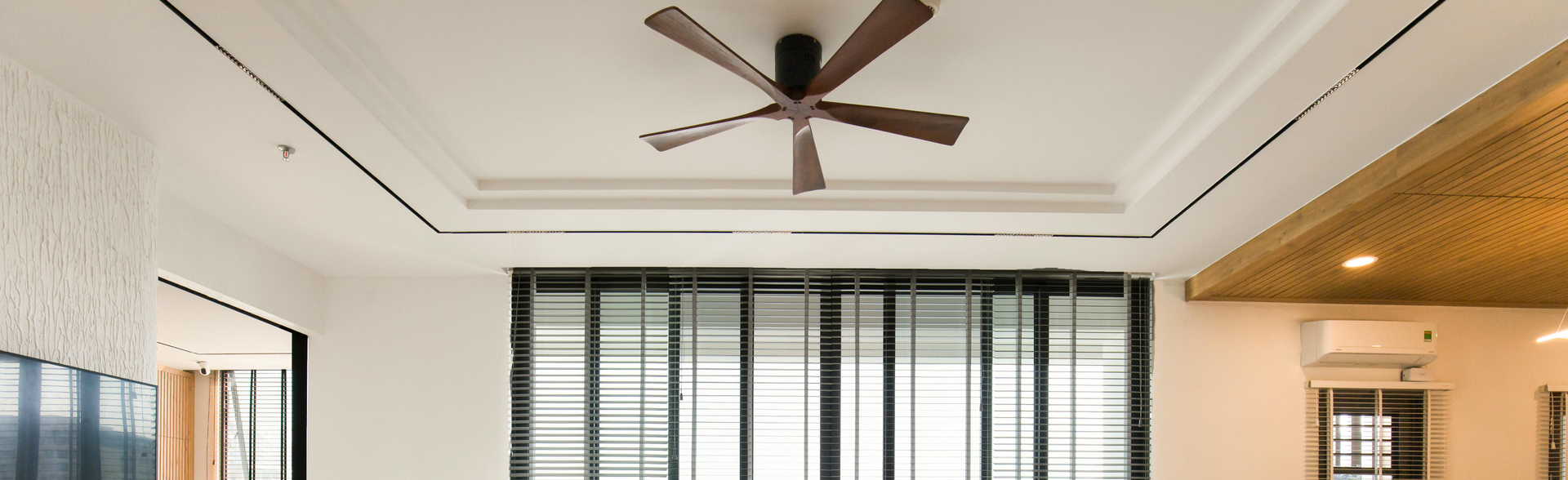
- Use your ceiling fans. Fans do not cool the air. They cool you, by moving air across your skin and helping sweat evaporate. That means you can keep your thermostat 3 to 4 degrees higher with a fan running and feel the same comfort. Three or four degrees does not sound like much, but on a system running 10 hours a day, it adds up to real money. Turn fans counterclockwise in summer and only run them in rooms you are actually in.
- Be smart with your thermostat. The biggest mistake we see is setting the thermostat 10 degrees colder than the current room temperature, thinking it will cool the house faster. It will not. The system cools at the same rate regardless of the setpoint. All you accomplish is making the system run longer and overshoot. Set your target temperature and leave it alone. If you want to be more efficient, bump it up 2 to 3 degrees when you are out of the house, then drop it back about 30 minutes before you return. A zoned system gives you even more control by letting you cool different parts of the house to different temperatures.
A Word About Humidity
Coastal SC summers are not just hot. They are wet. Your AC removes humidity as part of the cooling process, but on really humid stretches, even a well-running system can leave your home feeling sticky.
If you have noticed your home feels clammy even when the temperature is fine, you are probably dealing with a humidity issue, not a cooling issue. A standard AC removes some moisture but is not designed to be a primary dehumidifier. A separate whole-house dehumidifier takes that load off your AC, lets you run your thermostat a few degrees warmer, and dramatically improves how the house feels. It also extends the life of your AC because the cooling system does not have to work as hard to manage moisture.
This is not a sales pitch. If your home feels fine, you do not need one. But if you have been fighting humidity for years and assuming it is just how things are at the beach, there is a better answer.
If You Have Not Had a Tune-Up This Year
A standard annual maintenance visit catches most of the issues that cause summer breakdowns. We check refrigerant levels, clean coils, test electrical connections, verify airflow, inspect the drain line, and run the system through full operating cycles to make sure everything is firing the way it should.
If you have not had AC maintenance in the last 12 months, get it on the calendar this week. Tune-ups in June are still possible. Tune-ups in late July are nearly impossible because every technician in the area is buried in emergency repairs by then.
Our VIP Maintenance Club members get priority scheduling all year, but it really pays off in summer. When something goes wrong on the hottest week of August, members move to the front of the line. Non-members wait. That is just how the math works when demand surges during peak heat.
What to Expect From Now Through August
Here is the honest preview of the next 12 weeks if you live on the coast of South Carolina.
- Your system will run more than it has all year. Your power bill will go up. You will have at least a few days where the heat index breaks 105 and your house feels less crisp than it does in October. None of that is a problem with your equipment. It is the reality of cooling a home in a hot, humid climate.
- What you should NOT accept as normal: a system that cannot keep up on average days, a house that never feels comfortable, ice on equipment, water where it should not be, breakers that trip, or noises that were not there a month ago. Those are problems. Those get fixed.
- The math is pretty simple. A well-maintained residential AC system in good repair will handle a South Carolina summer without drama. A neglected one will fail at the worst possible moment, and the cost of a heat-wave emergency repair is several times what a June tune-up would have cost you.
The Bottom Line
Spend an hour this weekend. Clear your outdoor unit. Change your filter. Walk through the warning signs list and pay attention to what your system has been doing the last few weeks. If anything on the warning list rings a bell, get on the schedule now while we still have openings.
Rest easy knowing a little attention in early June saves a lot of misery in August. We are not going to tell you to replace equipment that does not need replacing, and you won't be oversold on services you do not need. We will tell you what your system actually needs, what can wait, and what cannot.
Call us at (843) 238-3838 or schedule online. We will get you through the summer.
Don't let a hot afternoon and a broken AC interrupt your day and disrupt your comfort. Contact Coastal Air Plus today at (843) 238-3838 for prompt, professional HVAC service.