The Coastal Homeowner's Guide to Dealing With Salt Air and Your HVAC
By David Long Coastal Air Plus Serving Myrtle Beach and Charleston, SC Since 1947
Key Highlights
- Salt air damages HVAC systems by accelerating corrosion. Sea spray carries sodium chloride inland, and when it mixes with humidity, it creates a thin saltwater film that corrodes condenser fins, copper tubing, electrical contacts, cabinets, and fan motors.
- Coastal HVAC systems usually do not last as long as inland systems. Standard equipment near the ocean may last only 7 to 10 years, while similar systems farther inland often last 15 to 20 years.
- Distance from the beach strongly affects equipment lifespan. Oceanfront properties face the fastest corrosion, while homes farther inland still experience measurable salt exposure and may also benefit from coastal protection measures.
- Common signs of salt-air damage include visible fin corrosion, cabinet rust, copper line discoloration, and electrical deterioration. These problems often develop gradually and may not be noticed until efficiency drops or repairs become frequent.
- The most effective prevention steps are regular rinsing and twice-yearly professional maintenance. Washing salt off the outdoor unit and catching corrosion early can extend system life and reduce repair costs.
- Coastal-rated HVAC equipment is often the better long-term choice in salt-air environments. Features such as coated coils, corrosion-resistant cabinets, sealed electrical compartments, and coastal warranty coverage can improve durability near the ocean.
Here is something most folks who move to the coast learn the hard way.
A 12-year-old AC unit sitting in a yard in Columbia might look practically new. The same model on a property a quarter mile from the beach in Garden City often looks like it has been pulled from a shipwreck. Fins corroded. Cabinet rusted. Refrigerant lines pitted. Sometimes the unit gets replaced not because it failed, but because corrosion finally ate through something critical.
Salt air is a quiet, patient destroyer. It works on your equipment 24 hours a day, every day of the year, and the damage builds up so gradually that most homeowners do not notice until repair bills start adding up or the unit fails years earlier than it should.
We have been installing and servicing HVAC on the South Carolina coast since 1947, which means we have seen every version of this problem. The good news: salt air damage is largely preventable, and the steps to protect your equipment are not complicated. They just have to be done.
What Salt Air Actually Does to Your Equipment
The air along the SC coast carries sodium chloride in suspension, picked up from sea spray and carried inland by the prevailing winds. The concentration drops the further you get from the beach, but measurable salt shows up in air samples taken several miles inland from Myrtle Beach and Charleston.
When that salt-laden air passes over the aluminum fins and copper components of your outdoor condenser, salt deposits on every surface. As humidity condenses on the metal (which happens constantly in coastal air), the salt dissolves into a thin film of salt water sitting on your equipment. Salt water is one of the most aggressive corrosive environments in chemistry. It eats aluminum, attacks copper, and breaks down electrical insulation.
Here is what salt corrosion attacks first:
- The aluminum fins on the outdoor coil. These are the thin metal blades that wrap around the refrigerant tubing. Salt corrodes them from the surface inward, eventually causing them to flake apart. Damaged fins mean reduced heat transfer and a less efficient system.
- The copper refrigerant tubing inside the coil. Pitting corrosion creates microscopic leaks that release refrigerant slowly over months or years. A system that loses refrigerant faster than normal almost always has a coastal corrosion issue somewhere.
- Electrical contacts and contactor points. Salt buildup on electrical connections increases resistance, causes arcing, and eventually leads to component failure. This is why coastal systems often have electrical failures that systems in dry climates rarely see.
- The cabinet itself. Painted steel cabinets rust through from the inside and outside simultaneously in coastal environments. Even galvanized cabinets show significant deterioration after eight to ten years on the beachfront.
- Fan motor bearings and housing. Salt accelerates wear on moving parts. Fan motors that should last 15 years routinely fail at year eight in oceanfront installations.
Why Coastal Systems Die Younger
A standard residential AC system installed inland in the Midwest or the Southwest will typically run 15 to 20 years before replacement becomes the better economic choice. Manufacturers design and warranty their equipment around that expected service life.
Now let's look at what we actually see on the SC coast.
Typical coastal equipment lifespan estimates:
- Oceanfront properties, within 1,500 feet of the beach: 7 to 10 years for standard equipment, 12 to 15 years for coastal-rated equipment with proper maintenance
- Near-beach properties, 1,500 feet to one mile from the beach: 10 to 13 years standard, 14 to 17 years coastal-rated
- Coastal inland properties, one to five miles from the beach: 12 to 16 years standard, 16 to 20 years with good maintenance
- Well inland from the coast: 15 to 20 years (close to manufacturer expected lifespans)
These are industry estimates that vary based on the specific microclimate, equipment quality, and maintenance practices.
The closer you are to the water, the more aggressive the corrosion environment, and the more important it becomes to either invest in coastal-rated equipment up front or accept a shorter service life on standard equipment. There is no middle path. Salt does not negotiate.
Visible Signs of Salt Damage You Can Check For
You do not need to be a technician to see salt corrosion in its early stages. Walk out to your condenser this weekend with a flashlight and take a look at these specific things.
- On the fins (the thin metal blades on the outside of the unit): Healthy fins look uniform and silver. Salt-damaged fins look dull, gray, or white. They may have a powdery surface that comes off when touched. Severely damaged fins will be bent, missing, or visibly flaking apart. Run a finger gently along a few fins. If you see metal flakes coming off, that is corrosion damage.
- On the cabinet: Rust bubbles, paint flaking, orange streaks running down the side of the unit, and rust along the bottom edges where moisture collects. Lift one of the access panels if you can do so safely. The inside surfaces tell the real story, because the outside often gets cleaned by rain while the inside corrodes unobstructed.
- On the copper tubing: Where the refrigerant lines come out of the unit, look for green or blue-green discoloration. Some discoloration is normal oxidation. Heavy buildup, especially if it looks crusty or powdery, indicates active corrosion. If you see any visible droplets or oily residue on the lines, that is a possible refrigerant leak and needs service.
- On the electrical connections: You should not be opening the electrical access panel yourself, but a technician will check the contactor and connections. White or green powdery buildup on terminals is salt corrosion and should be cleaned or replaced before it causes a failure.
If you see clear signs of salt damage, you do not necessarily need a replacement. You probably need a thorough cleaning, possibly some component replacement, and a more aggressive maintenance schedule going forward.
How to Protect Your System
Now for the part that actually matters. Salt air damage is largely manageable if you take a few steps that most coastal homeowners skip.
- Rinse your outdoor unit regularly. This is the single most effective thing you can do, and it costs nothing. Once a month during peak season, turn off the breaker to your outdoor unit, then use a regular garden hose to rinse the unit thoroughly. You are not using high pressure (that bends fins). Just steady water flow from a normal hose. Rinse the cabinet from the top down, then rinse the fins gently from inside-out if you can reach them. The goal is to wash the accumulated salt off before it has time to dissolve and corrode. Five minutes of rinsing extends equipment life by years.
- Schedule professional cleaning twice a year. Coastal properties need more than the standard annual HVAC maintenance inland properties get. Twice-yearly visits, once in spring and once in fall, let us deep-clean the coil with proper coil cleaner, inspect for early corrosion, replace any corroded electrical contacts, and treat exposed metal with protectant. This catches problems while they are still cheap to fix.
- Consider corrosion-resistant coatings. Aftermarket coil coatings extend coil life in salt-air environments by years. They are applied as a protective film over the existing aluminum fins and copper tubing, creating a barrier between the metal and the salt air. Not every system is a good candidate, but for newer equipment in heavy salt exposure, a coating treatment pays for itself.
- Mind the airflow around your unit. Salt-air-related problems get worse when units sit in low spots where humid air pools, or under wooden decks where ventilation is poor. Make sure your condenser has clear airflow on all sides. If your unit is in a particularly bad spot, sometimes relocating it to a more protected (or better-ventilated) location is worth the install cost.
- Skip the all-weather covers in summer. A lot of folks buy permanent vinyl covers thinking they will protect the unit from salt. They do the opposite. Covers trap humid air against the equipment 24 hours a day, creating exactly the condensation environment that salt loves. Use a cover only when the unit is intentionally shut down for an extended period, never on a running unit.
Choosing Equipment for Coastal Conditions
If you are replacing equipment and you live within a few miles of the beach, the model you choose matters more than most homeowners realize. Coastal-rated equipment costs more up front but can double the useful service life of the system, which usually makes it cheaper over the long run.
What to look for in coastal-rated equipment:
- Factory-applied coil coatings (often called e-coated, blue fin, or sea coat depending on the manufacturer)
- Stainless steel or aluminum cabinets instead of painted steel
- Sealed electrical compartments with corrosion-resistant terminals
- Coastal warranty extensions specifically for installations within a designated distance of saltwater
Among the major manufacturers, several offer specific coastal product lines. Trane equipment, which we install regularly along the Grand Strand and Lowcountry, offers coastal-protection options on most of their residential lineup. Mitsubishi and other ductless manufacturers also offer coastal-rated options for their mini-split systems, which can be a smart choice for beach houses, ADUs, or homes where a traditional split system has been killed off prematurely by salt exposure.
A heat pump installed in a coastal application is a different conversation than one installed inland.
Coastal heat pumps need the same corrosion protection considerations as straight AC equipment, plus they run more total hours per year because they handle both heating and cooling. We talk through these tradeoffs with every coastal customer.
Real Examples From Our Service Area
Some patterns we see repeatedly on the SC coast:
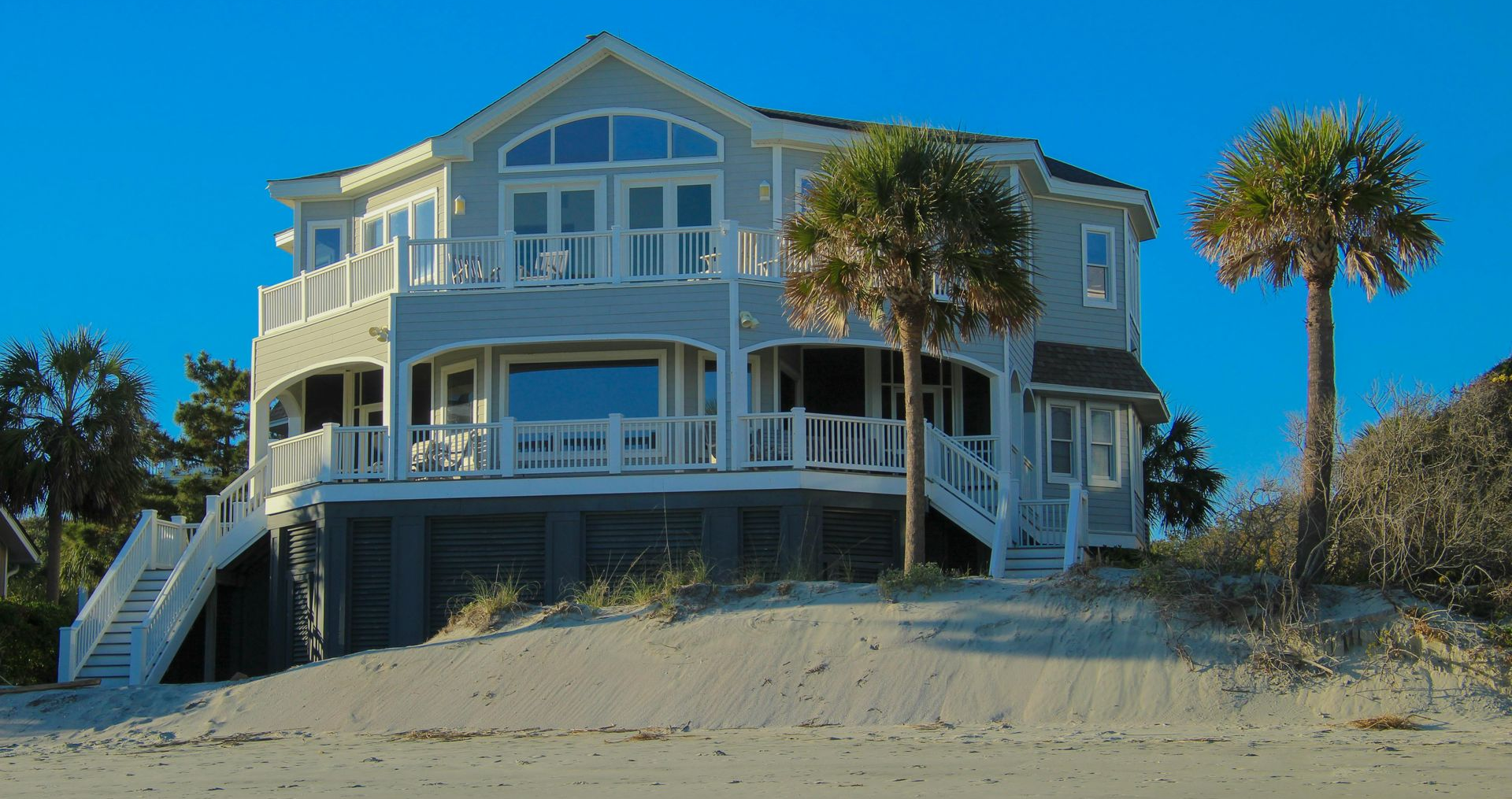
- Oceanfront condos in Myrtle Beach: HOA-installed units with no individual maintenance often fail at year six or seven. Constant severe salt exposure, standard residential equipment without coastal protection, and maintenance budgets split across dozens of units. If you own one and the HOA is not on a serious maintenance program, budget for early replacement.
- Beachfront single-family homes from Pawleys Island to Sullivan's Island: These often have multiple systems. Owners carefully maintain the main house system and forget the guest wing or pool house, which then fails first and at the worst time. Treat every coastal system on the property as equally vulnerable.
- Vacation rentals across the Grand Strand: Heavy peak-season use multiplies wear from salt exposure. A unit that lasts 12 years in a primary residence often gets nine years out of a heavily-booked rental property. Pre-season service is not optional.
- Inland coastal homes, three to five miles from the beach: Homeowners often assume they are far enough inland that salt does not matter. Wrong. Salt air carries surprisingly far on the prevailing winds, and inland coastal systems still benefit from coastal protection and rinsing routines. The damage is slower, but it is happening.
A Coastal Maintenance Routine That Actually Works
Here is the simple version of what we recommend for coastal homeowners:
- Rinse the outdoor unit monthly during summer; every other month the rest of the year
- Change filters monthly from May through September, every other month in cooler weather
- Schedule professional service twice yearly, once in spring and once in fall
- Inspect the cabinet and fins yourself every quarter for visible corrosion progression
- Document the condition with phone photos so you can track changes year over year
- Replace equipment with coastal-rated models when the time comes, not standard inland models
Our VIP Maintenance Club is built around the twice-yearly service cadence that coastal properties actually need. Members get priority scheduling, which matters during the spring and fall windows when every coastal homeowner needs the same service done in the same six-week stretch.
The Bottom Line
Living on the coast is a tradeoff. The view, the breeze, the lifestyle, and the salt air that takes years off your equipment. The first three you get to enjoy. The last one you have to manage.
Homeowners who take salt seriously, who rinse their units, schedule the right service, and choose the right equipment when replacement time comes, get close to the same equipment life their inland neighbors get. Homeowners who treat their coastal system like an inland system pay for it in early replacements, surprise repair bills, and systems failing on the hottest week of the year.
Rest easy knowing salt damage is preventable. You won't be oversold on services or equipment your home does not need. We will walk through your specific situation, look at what you have, and tell you honestly what makes sense.
Call us at (843) 238-3838 or schedule a coastal HVAC assessment online. We will help you protect what you have and plan for what comes next.
Don't let salt air damage interrupt your day and disrupt your comfort. Contact Coastal Air Plus today at (843) 238-3838 for prompt, professional HVAC service across coastal South Carolina.